Facilities & Operational Units
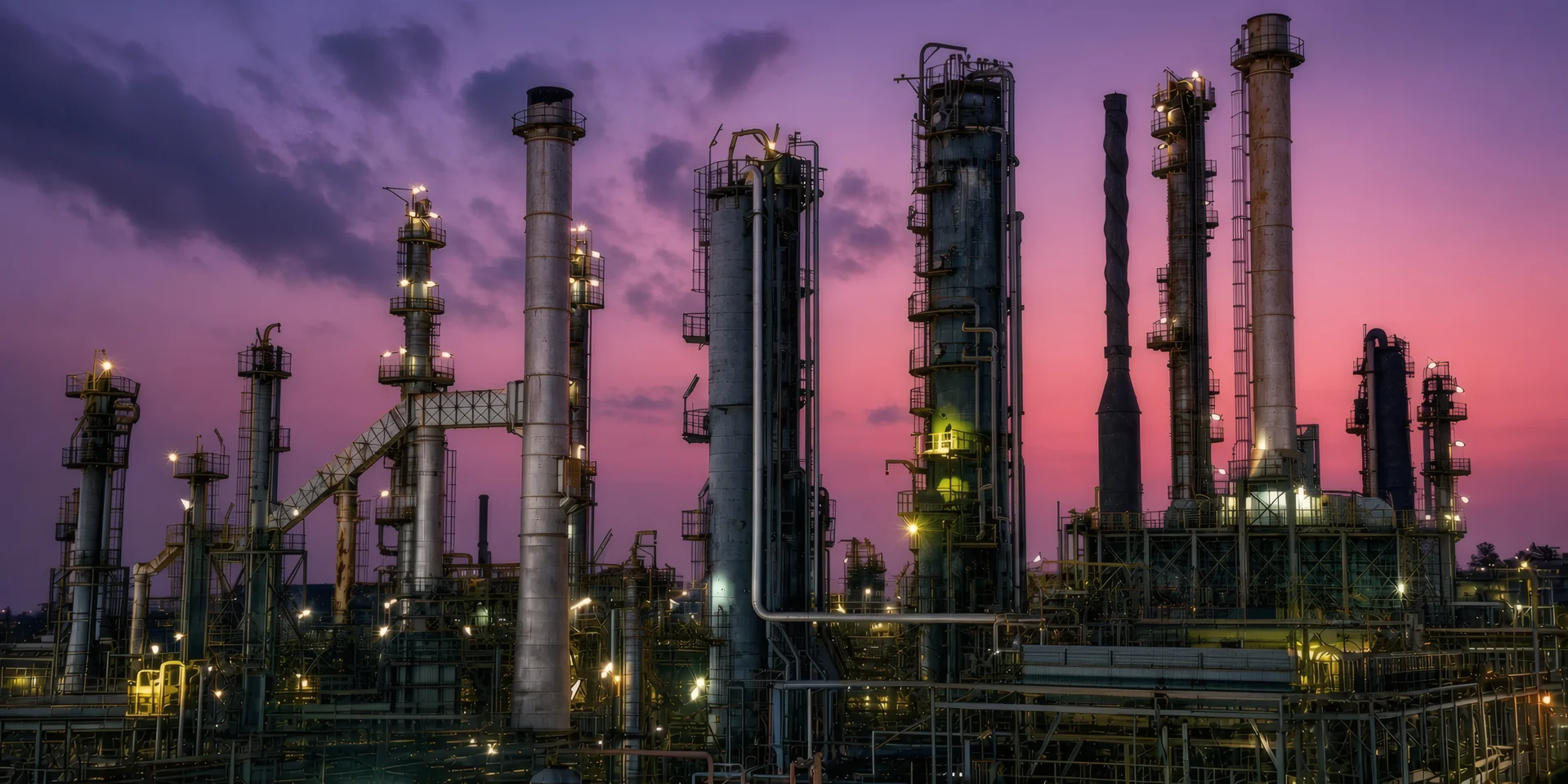
Refining Ecosystem
A strategic multi-plant industrial complex spanning 3 major refining units, specialized BTX aromatics extraction, captive utility generation, and the dedicated 20 km Keamari pipeline terminal.
Two Integrated Lube Refineries
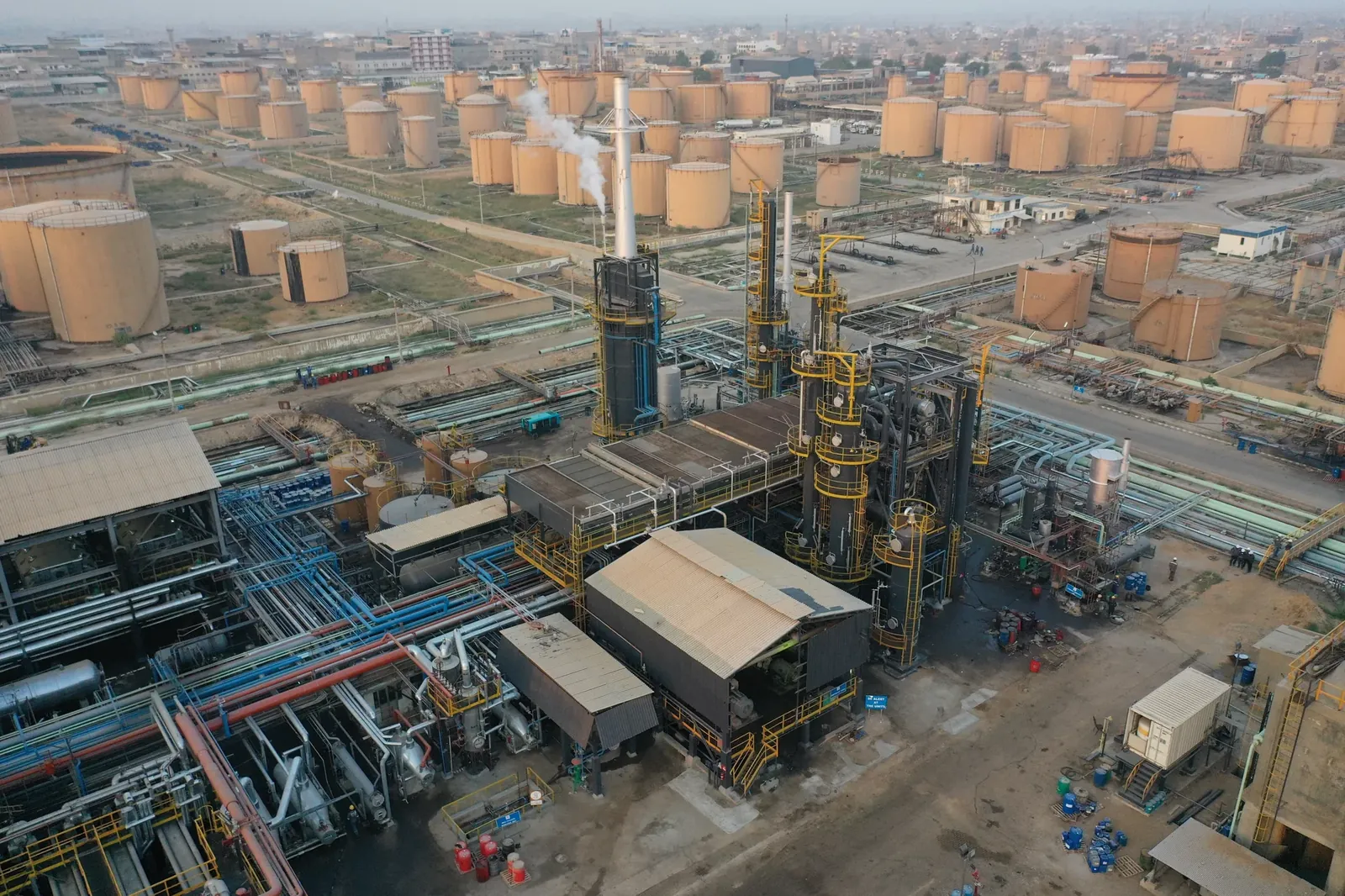
Built 19 years apart, Lube-I processes crude through two-stage distillation, while Lube-II runs directly on reduced crude fed from the Fuel Refinery using advanced, energy-efficient technology.
Lube Refinery 1 & 2
National Refinery operates two Lube Refineries, built roughly 19 years apart. Lube-I starts with a Crude Distillation Unit followed by Vacuum Distillation, while Lube-II skips straight to vacuum distillation, using reduced crude fed in from the Fuel Refinery. Both use the same core technology, but Lube-II, built in the 1980s, runs on more advanced, energy-efficient equipment.
Processing Steps & Sub-Units
-
Atmospheric & Vacuum Distillation (Lube-I & Lube-II) Lube-I distills desalted crude oil in two stages — first separating lighter products like gas, naphtha, kerosene, and diesel, then processing what's left under vacuum to produce diesel, lubricating oil distillates, and vacuum residue. Lube-II starts directly at the vacuum stage, converting reduced crude into the same range of products.
-
Propane Deasphalting The heaviest residue from distillation is separated into heavy lubricating oils and asphalt using a propane solvent process. Lube-II's unit does this more efficiently, with less loss of propane and energy.
-
Furfural Extraction Lubricating oil distillates are treated with furfural solvent to remove impurities, improving colour and temperature performance. This produces nine grades of base oil (Raffinates), while by-products are used for asphalt or sold as specialty oils. Lube-II's unit recovers more solvent and uses less energy.
-
MEK Dewaxing Wax is removed using a Methyl Ethyl Ketone and Toluene solvent mix, with low-temperature filtering via propane refrigeration — improving cold-weather performance. The wax is sold separately as Slack Wax. Lube-II's unit delivers higher yields, lower solvent loss, and better heat recovery.
-
Hydrofinishing In the final step, lube base oils are treated with hydrogen under a catalyst to stabilize them and improve colour, before being sent for distribution to oil marketing and blending companies.
Capacity Upgrade to 53,000 bpd
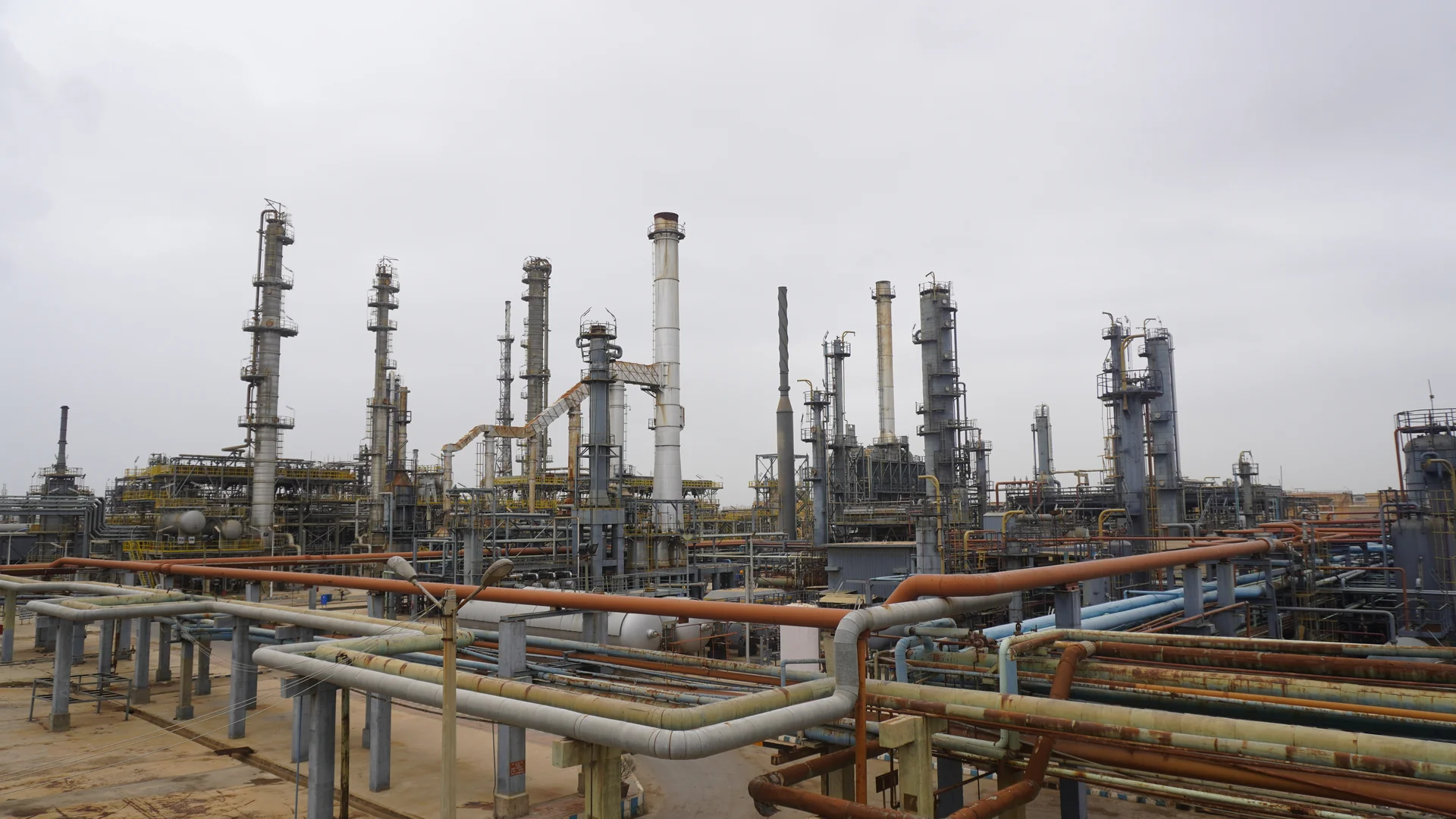
NRL's Fuel Refinery CDU underwent major revamps — first expanding capacity by 45%, and further upgraded in 2017 to 53,000 bpd without increasing fuel consumption.
Fuel Refinery
The Fuel Refinery is NRL's primary processing hub for motor gasoline, high-speed diesel, kerosene, jet fuel, and furnace oil. It integrates high-capacity crude distillation with hydrotreating and catalytic reforming processes.
Refinery Units & Technology
-
Crude Distillation Unit (CDU) This is where refining begins — crude oil is separated into its basic components: gases, LPG, naphtha, kerosene, diesel, and furnace oil, each sent on for further processing. The naphtha produced is split into Light Naphtha, used for blending gasoline, and Heavy Naphtha, most of which is upgraded further at the Platforming Unit or exported as feedstock for petrochemical plants. This unit has been upgraded twice to increase capacity — first by about 45% through equipment improvements, and again in 2017, bringing capacity up to 53,000 barrels per day — all without using more fuel.
-
Naphtha Hydrobond Unit This unit treats Heavy Naphtha to remove sulphur, nitrogen, and metal compounds that would otherwise damage the catalyst used in later processing. It's a licensed UOP technology.
-
Platforming Unit Here, treated naphtha is converted into high-octane motor gasoline using a platinum-based catalyst under high heat and pressure. This unit's capacity has also been boosted — by 72% — through upgraded equipment and improved catalysts.
-
Merox Unit This unit removes or neutralizes sulphur compounds (mercaptans) that give fuel an unpleasant smell and reduce its quality, making the end products cleaner and market-ready. NRL uses this process for LPG, naphtha, and jet fuel.
-
Propane Recovery Unit This unit separates LPG into ethane, propane, and butane, supplying high-purity propane for use in the lube refining process.
BTX Plant
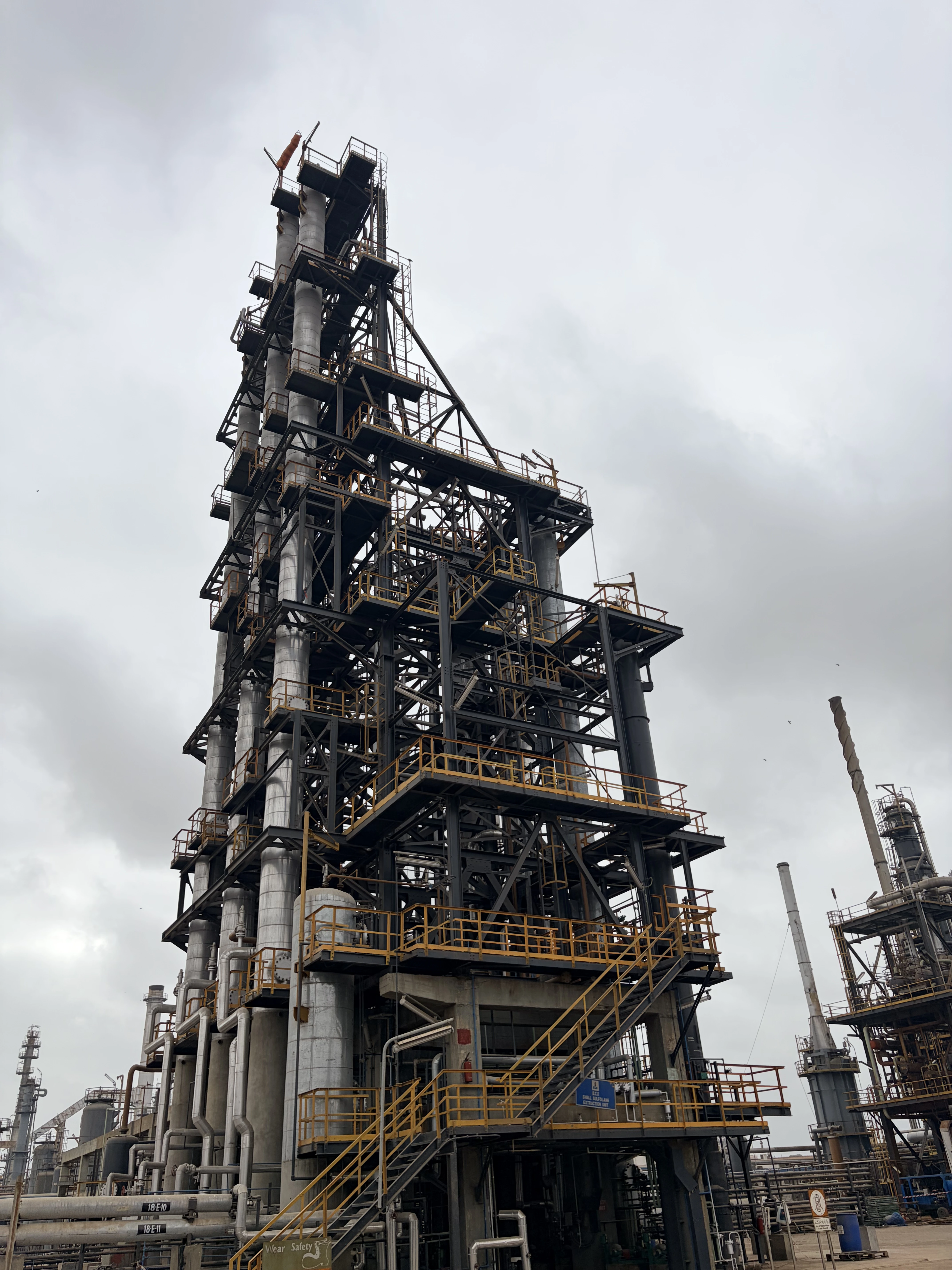
Using reformate from the Fuel Refinery, this plant extracts aromatic compounds through a Shell Sulfolane Extraction process, then separates them via distillation into high-purity Benzene, Toluene, and Xylene — producing 25,000 tons a year. NRL owns the only BTX plant in Pakistan.
Benzene
Feedstock for synthetic fibres, resins, and nylon production across Pakistan's textile industry.
Toluene
Solvent for paints, adhesives, coatings and chemical precursor in pharmaceutical manufacturing.
Xylene
Vital precursor for PET plastic production, polyester fibres, and terephthalic acid manufacturing.
Utilities Department
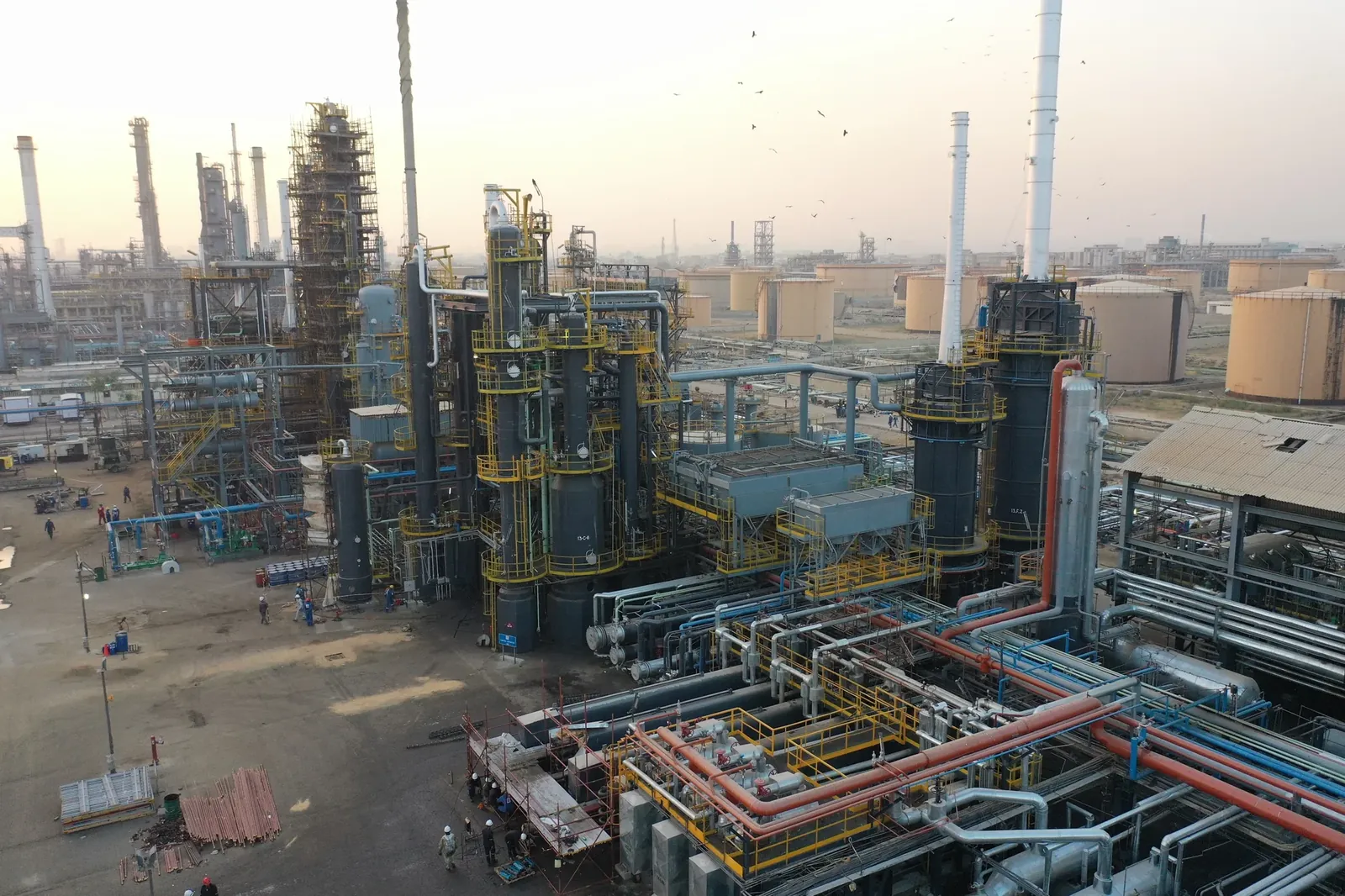
Running a refinery takes constant support behind the scenes — water, steam, fuel, and air, all supplied by the Utilities Department. This includes a water treatment plant, four reverse osmosis plants, three condensate recovery plants, five high-pressure steam boilers, four cooling towers, two nitrogen generation plants, several air compressors, and dedicated fuel gas and fuel oil systems — all running around the clock to keep the refinery operating smoothly.
Key Sub-Units & Logistics
-
Power Generation National Refinery generates its own power to avoid shutdowns and production losses from outside power failures. The setup includes two 7.2 MW steam turbo-generators, along with 4.0 MW and 8.2 MW diesel-fuel oil engine generators, ensuring an uninterrupted power supply.
-
Oil Movement & Shipping NRL handles about 3 million tons of crude oil and a similar volume of finished products — roughly thirty different products in total — every year. This requires a wide network of pipelines, pumping stations, and over 150 storage tanks to manage crude oil coming in, movement between processing units, and products going out to Oil Marketing Companies or via tank lorries. The Shipping Department works closely with the Oil Movement team to handle documentation and coordinate with Excise Authorities.
Quality Control (QC) Department
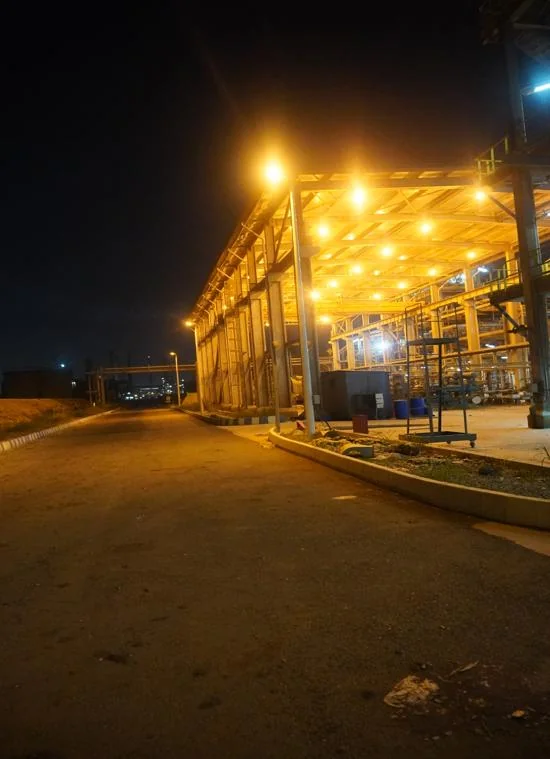
The QC Department tests crude oil, gases, fuels, petrochemicals, and other petroleum products using modern analytical equipment. Its role goes beyond basic testing — it also handles quality assurance, research and development to support new processes and products, and project-based testing work.
In February 2022, the department earned ISO/IEC 17025:2017 Accreditation from the Pakistan National Accreditation Council, confirming its labs meet international standards for technical competence and reliable testing. This puts NRL's QC capabilities on par with world-class testing facilities globally.
Advanced Analytical Testing
Crude, gas, fuel, and petrochemical testing using modern analytical instruments.
R&D & New Processes
Research and development supporting new refinery process formulations.
ISO/IEC 17025:2017 Accredited
Accredited by PNAC in Feb 2022, meeting international laboratory standards.
Keamari Terminal
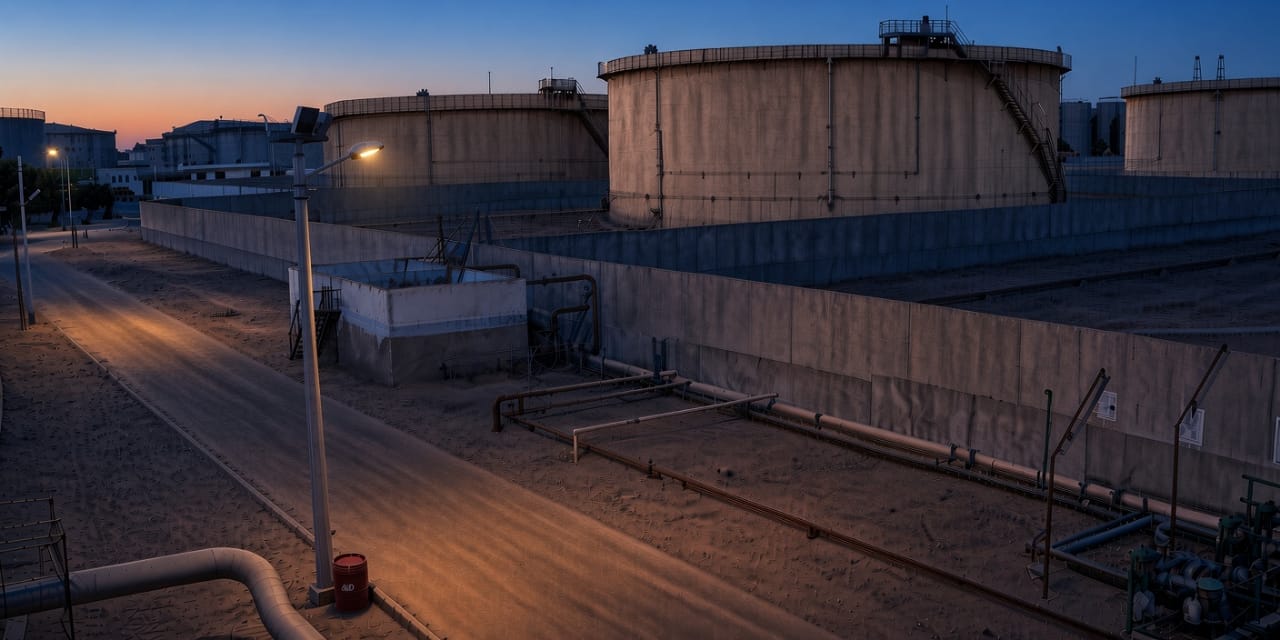
NRL's Keamari Terminal is a port facility located about 20 km from the refinery, connected to it by pipeline. Imported crude oil arrives here by tanker, is stored in large tanks, and then pumped to the refinery for processing. The terminal also handles Naphtha exports and pumps finished fuel products directly to Oil Marketing Companies located nearby.
Crude Import & Tankers
Handles crude oil imports via ocean tankers and large storage tanks.
20 km Pipeline Network
Direct pipeline link connecting Keamari port directly to National Refinery.
Naphtha Exports
Facilitates heavy naphtha export shipments to international markets.
Direct OMC Supply
Direct pumping of finished fuel products to neighboring Oil Marketing Companies.